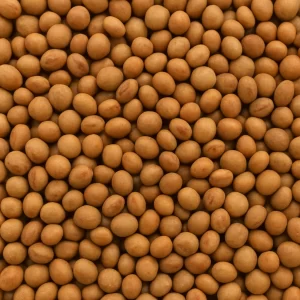

Premium Pigeon Peas and
Pulses from Malawi
Sourcing high-quality pigeon peas from Malawi to deliver fresh, nutrient-rich pulses to international markets with strict quality standards.
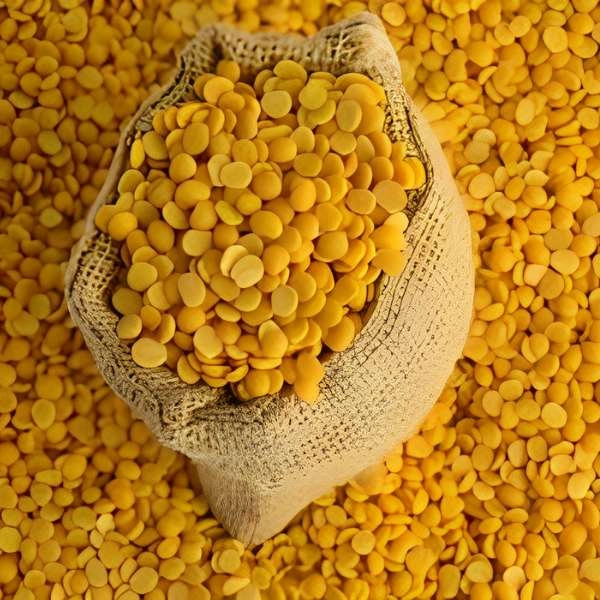
Global Markets: Pigeon Pea Demand Trends
Pigeon peas, also known as Toor Dal, are gaining popularity across global markets due to rising demand for plant-based protein and healthy diets. Let’s take a quick look at how different regions are responding:
UAE
The UAE is seeing strong growth in pigeon pea consumption, especially among Indian and African communities. Prices range from AED 8–11 per kg, and demand continues to grow due to health awareness and cultural cooking habits.
Canada
Canada is seeing increased interest in pulses, including pigeon peas, as more people shift to vegetarian diets. While production is limited, Canada plays a key role as a re-exporter to the USA and other countries.
USA
The U.S. is importing pigeon peas in large quantities, mainly from Canada and India. With the plant-based trend booming, more consumers are adding lentils and pulses to their diets, including pigeon peas.
Australia
Australia imports fewer pigeon peas now compared to earlier years. This may be due to changing trade policies or increased local alternatives. However, demand exists in niche communities and food industries.
Emerging Markets (Africa, Asia, Caribbean)
In countries like Kenya, Tanzania, and the Caribbean islands, pigeon peas are a staple food. These regions also offer strong growth potential due to population growth and increased interest in export farming.
Key Trends to Watch
More people prefer plant-based protein sources.
Rising demand in health and fitness markets.
Opportunity for exporters and food companies to offer packaged or ready-to-cook products.
Conclusion
The global demand for pigeon peas is rising steadily. Businesses that invest in sourcing, packaging, and distributing pigeon peas can tap into growing markets across the UAE, North America, Australia, and beyond.